An AI toolkit for parents & educators

Guide them to their north star.

One toolkit for everyone who lights the way — the parent at the kitchen table, the family that teaches at home, and the teacher at the front of the class. Whatever you call the work, it all heads the same direction.

One toolkit for every parent — log their moments, write their story, coach their path and plan what’s next, from the first steps to the first application. No homeschooling required.

One toolkit for the family that teaches at home — plan the year around your child, log what they actually did, and keep a record that holds up and belongs to you.

One toolkit for the teacher at the front of the class — build the lessons, grade the stack against your own rubric, and keep every grade yours to review, curve and release.

A child in a yellow raincoat under a red umbrella, looking up
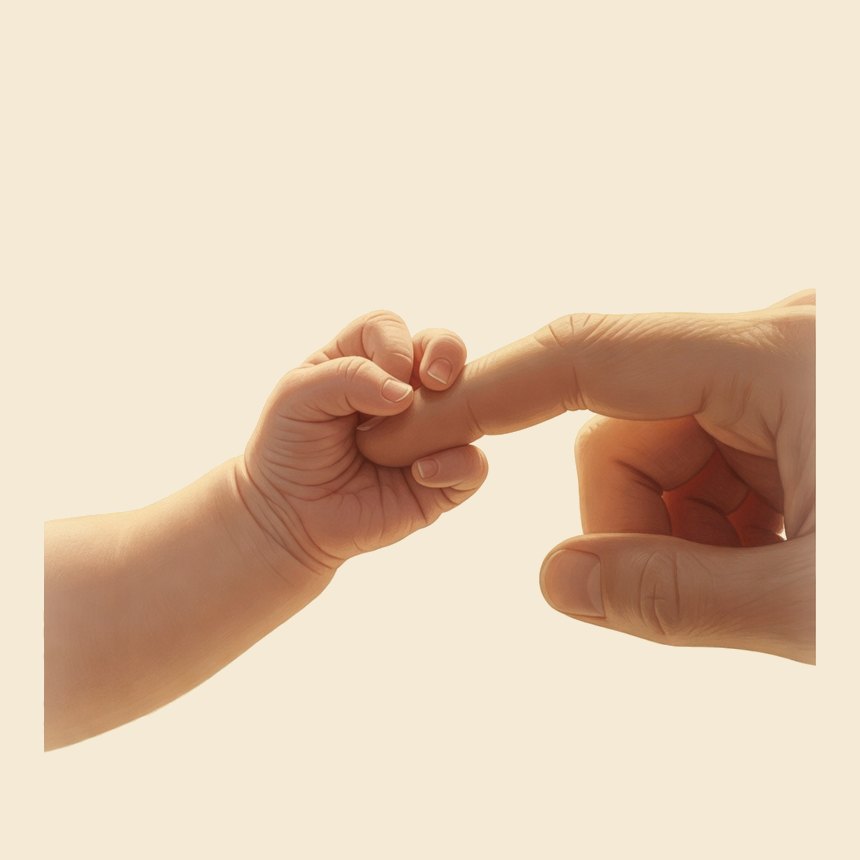
A newborn’s hand curled around a parent’s finger

Chapter One · where every journey starts

Family, homeschool or classroom. Structured or fluid.

Your family. Structured or fluid.

Your kitchen table. Structured or fluid.

Your classroom. Structured or fluid.

The same tools serve a family’s evenings, a homeschool’s year and a full classroom; the door you pick only changes your approach, never what’s underneath it. And you set the pace — run it as rigorously as a school day, or as freely as following their curiosity.

Not a school — just your child’s story. The same toolkit that runs a whole school keeps a family’s record: log a moment, write the week, set a star and plan toward it, as much or as little as your evenings allow. Their school stays their school; this is the rest of their life.

The same toolkit that runs a whole school runs your kitchen table; a homeschool account only sets the approach, never what’s underneath it. Run the year as rigorously as a school day, or as freely as following their curiosity — the record keeps either way.

The same toolkit serves a lecture hall and a pre-K rug; your educator account only sets the approach, never what’s underneath it. Run it as rigorously as a school day, or as loosely as a studio afternoon — the pace is yours.
A family, a kitchen table, or a classroomEvenings and weekends, at your paceThe whole year, at your paceA pre-K rug or a lecture hallAs structured, or as free, as you like
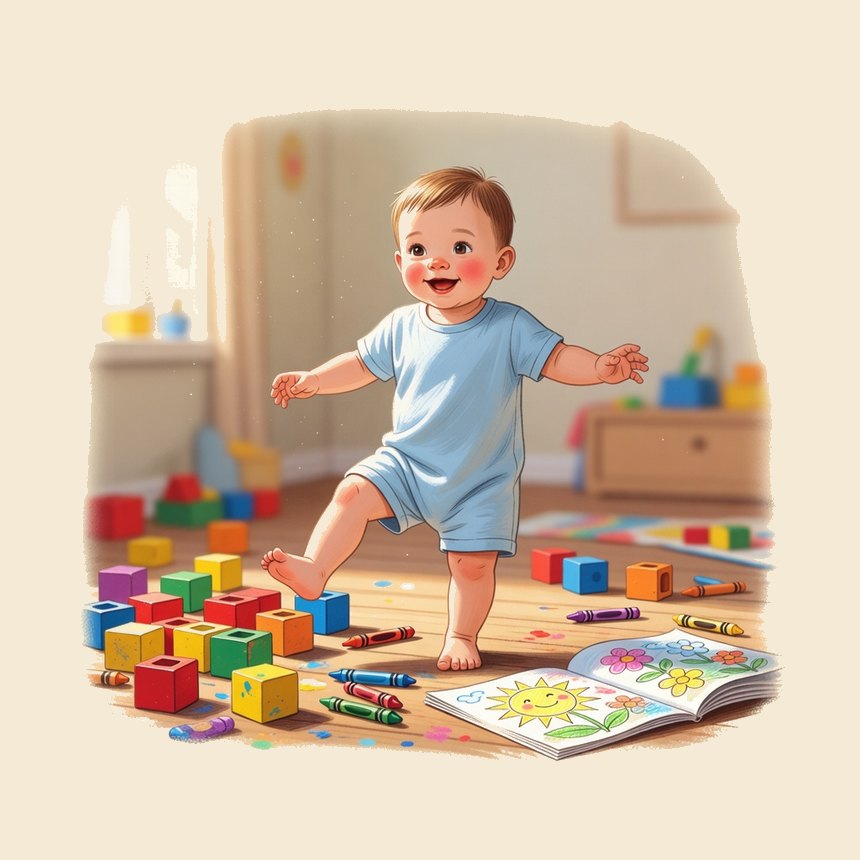
A toddler taking a first step among wooden blocks and crayons

Chapter Two · the early years · ages 2–5

The first big steps.

For families

A parent captures the firsts with Log Activities from the phone in their pocket — the first steps, the first bicycle, the first time the shoes get tied without help — and a coloring page of this week’s picture book prints in a tap. The lessons no school teaches get logged too: counting coins at the farm stand, planting the bean that sprouts, cracking the eggs for Saturday pancakes.

For homeschool

A parent snaps the block tower and the finger-painting with Log Activities, and a coloring page of this week’s picture book prints in a tap. The week’s play gathers itself into a warm weekly journal page that already sits in the right month of the school year, and a tiny treasure hunt turns “tidy the crayons” into “find the next clue.”

For educators

A pre-K teacher describes a letter-of-the-week lesson and Instant Builder drafts a bright, playful page; she drops in a little matching game with Instant Widgets, and prints a coloring worksheet that goes with the story they’re reading.

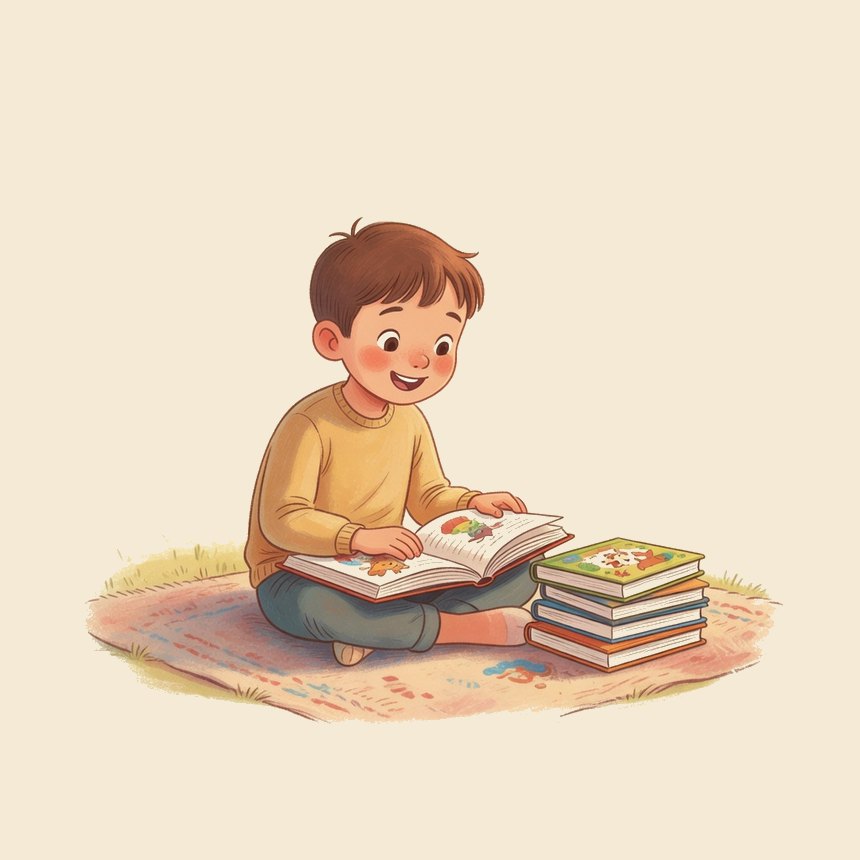
A child sitting on a rug, absorbed in a picture book

Chapter Three · the early school years · ages 6–10

Learning to read the world.

For families

A parent shelves each finished library book on the Bookshelf, logs the Saturday nature walk and the museum trip, and every week a new page of the child’s own Storybook writes itself — the year outside the classroom, told as a picture book they’ll keep. The week gathers itself into a warm weekly journal page, and a tiny treasure hunt turns “tidy the crayons” and “feed the dog” into “find the next clue.”

For homeschool

A parent shelves each finished library book on the Bookshelf, logs the nature walk and the museum trip as the day’s lessons, and every week a new page of the child’s own Storybook writes itself — the school year, told as a picture book they’ll keep, with the reading list already a record for the year’s review.

For educators

An elementary teacher builds a whole unit from a single sentence in Instant Builder, adds a short Quiz the app grades for meaning, and makes a rubric by photographing the one she has used for years — then checks its repeatability score to tighten a fuzzy line.

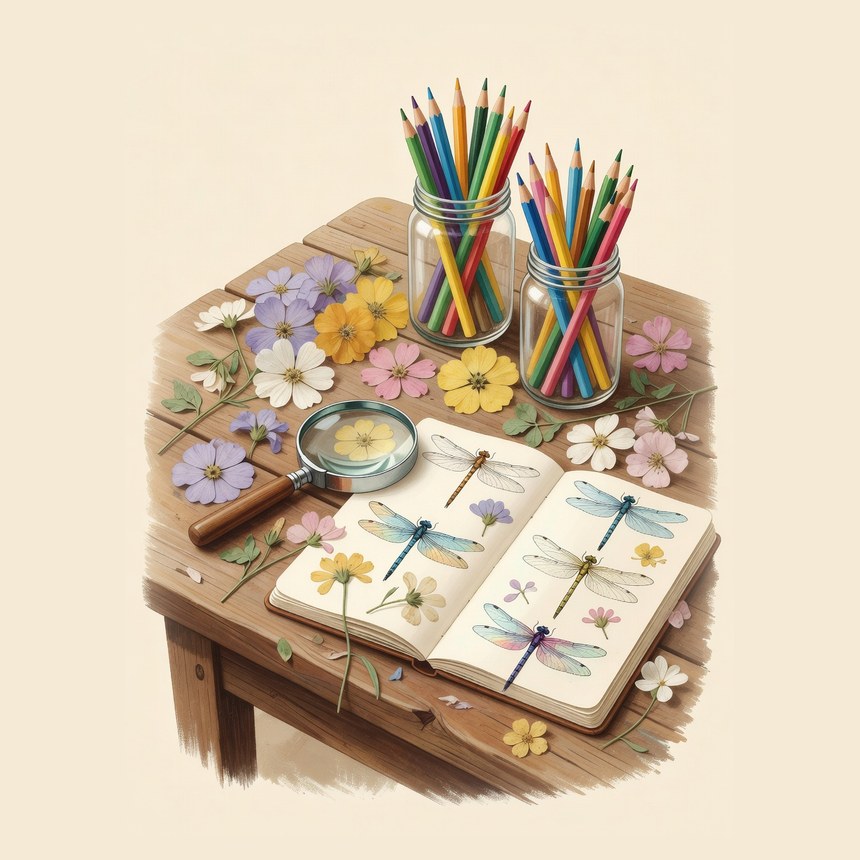
A nature-study desk — pressed flowers, a magnifying glass, and a notebook of dragonfly sketches

Chapter Four · the middle years · ages 11–13

Big questions, first experiments.

For families

A parent sets a North Star for a curious eleven-year-old, and each month the planner opens one new door — reached through the coding or the cooking they already love, after school and on weekends. A quest unlocks the next step only when the last is done, and the learning journal quietly keeps the record of a childhood, not a class.

For homeschool

A parent sets a North Star for a curious eleven-year-old, and each month the planner opens one new door and builds the month’s real lessons for review — drawn from the child’s own record, reached through the coding or the cooking they already love. A quest unlocks the next step only when the last is done, and the learning journal quietly keeps the record the year needs.

For educators

A teacher points Instant Grader at a stack of lab reports — some typed, some snapped on a phone — and it drafts feedback on every one against her rubric while she has lunch, marking the exact lines each comment is about. She reviews, adjusts, and releases; a Class Profile remembers what worked for next year.

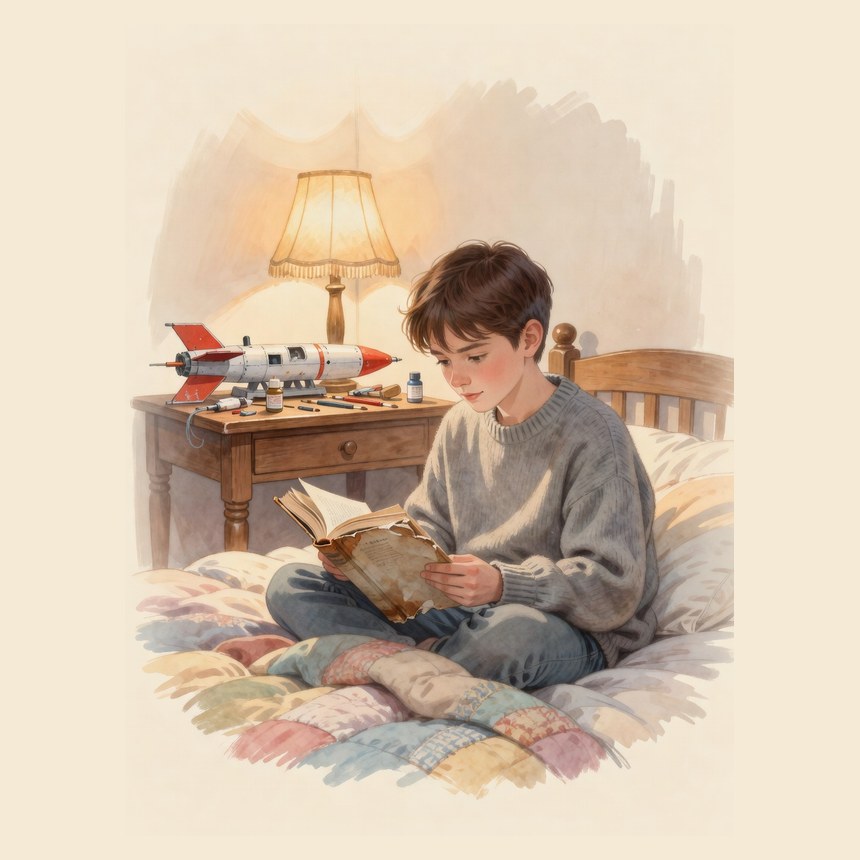
A teenager reading on a bed, a model rocket on the nightstand

Chapter Five · the deep years · ages 14–17

Finding their focus.

For families

A parent coaching a teen toward what’s next — college, a trade, a life that fits — sets the North Star, and the plan bends whichever way theirs leads: the ACT or SAT, the audition, the apprenticeship a real passion points them toward. When a tutor, a co-op or an after-school class grades the teen’s work in Guiding Neuron, it comes home into the parent’s account — the record follows the student, with nothing re-entered by hand. Every reading and every real-world project quietly gathers into an organized portfolio, ready whenever they want the whole picture.

For homeschool

A parent frames a high-schooler’s year as seriously as a school’s, aiming at a North Star — college, a trade, a life that fits. The star sets the course — readying for the ACT or SAT, or the vocational school a real passion points them toward, and the plan bends whichever way theirs leads. And when the teen spends two mornings a week at a learning co-op, the co-op transfers that coursework straight into the parent’s account — the record follows the student, with nothing re-entered by hand. Every page of work, every reading, every real-world project quietly gathers into an organized portfolio of the year, ready whenever they want the whole picture.

For educators

A high-school teacher sets a scheduled grading run overnight and comes back to finished drafts; the grading queue shows every class’s work at once, and the assistant answers “what does Maria need to reach a B?” from the live gradebook. Students hand in through the student portal, and grades export straight back to their school’s LMS of choice.

A young graduate in cap and gown, stepping forward and looking up

Chapter Six · the threshold · college & beyond

Ready for what’s next.

For families

A parent guiding a college-bound teen has the whole journey in hand — years of moments, readings and real projects gathered into one portfolio, the record of everything they did beyond the classroom: the robotics summers, the volunteer hours, the book they finished at fourteen. And it is the parent’s collection too — every logged first, every story page, every quest — a keepsake to look back on everything you did together as they set out for their north star. What began as finger-paint is now the story behind an application.

For homeschool

A parent guiding a college-bound teen has the whole journey in hand — years of work, readings, and real projects gathered into one portfolio, the record of everything they did. The calculus and fluid dynamics they can talk through now began as interactive, real-world lessons built in Instant Builder — the kind you poke at and turn over, not just read. What began as finger-paint is now an application.

For educators

A professor points Instant Grader at three hundred essays and has reviewed drafts by morning; a short-answer engineering quiz is graded for meaning, not just multiple choice; the Scantron machine can stay in the closet, since it marks every answer straight from the key; and a stack of PDFs and slides becomes clean, accessible pages in seconds.

They are all heading to their north star.

Set the star — college-ready, a trade, a life that fits — and every path finds its way there. And one sophisticated toolkit spans the whole way — advanced enough to plan and run a graduate-level course, simple enough for a toddler’s afternoon — for every family, every homeschool and every educator. However you guide, and whoever you guide, the direction is the same.

Set the star — college-ready, a trade, a life that fits — and every path finds its way there. One toolkit spans the whole way, from a toddler’s afternoon to the story behind a college application, and the record it keeps belongs to your family. However you guide, the direction is the same.

Set the star — college-ready, a trade, a life that fits — and every path finds its way there. One toolkit spans the whole way, from a toddler’s afternoon to a college application, and the record it keeps holds up and belongs to your family. However you guide, the direction is the same.

Set the star for a class — a course that runs itself by Friday, a stack graded before lunch, every grade still yours — and one toolkit spans the whole way, from a pre-K rug to a graduate seminar. However you teach, the direction is the same.